Kitchen Grease and Sewer Backups in a Las Vegas Home
The turkey is gone, the pans are soaking and the kitchen sink will not drain. Then the tub in the hall bath gurgles and a gray ring of water comes up around the drain. A sewer backup in a Las Vegas home usually starts in the kitchen, and the holiday weeks are when it starts most. Here is how to tell a sink clog from a main line backup, who owns which pipe, and what has to be thrown out once sewage touches it.
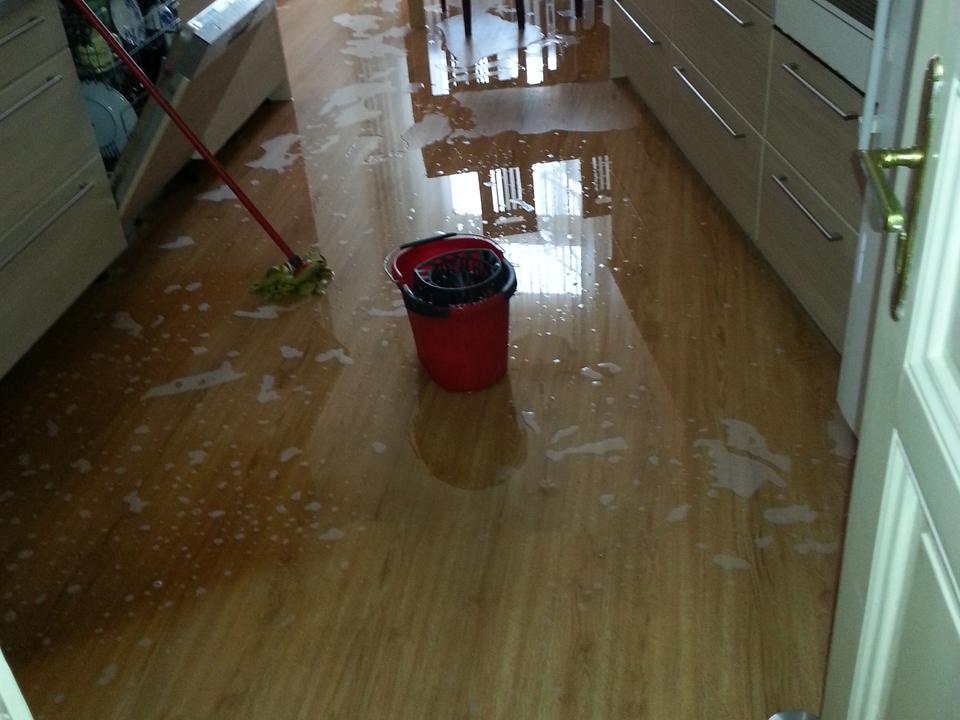
- In US search data from Data for Trades, the kitchen sink, disposal and grease need runs 19 percent over an average month in November, 20 percent in December and 23 percent in January.
- One clogged sink is a sink problem. Water coming up in a tub, shower or floor drain when you run the washer or flush a toilet points to the main line.
- The City of Las Vegas maintains the public sewer mains. The owner maintains the private lateral from the house to the point where it joins the main.
- If several homes on your street back up at once, the city says that points to its main. Call Streets and Sanitation at (702) 229-6227.
- The CDC says to wear rubber boots, rubber gloves and goggles around sewage and to keep children and pets out until cleanup is done.
- The CDC says to throw out carpet, pad, upholstered furniture, mattresses and any drywall or insulation that sewage touched, and to dry the rest within 24 to 48 hours.
Why the Holidays Clog Las Vegas Drains
Grease goes down the sink warm and liquid. A few feet into the pipe it cools, sticks to the wall and catches everything that comes after it. Hot water and dish soap only push it a little farther before it sets up again. A garbage disposal grinds food into smaller pieces but does nothing to the grease that carries them.
The calendar shows it. We pulled the Data for Trades drain cleaning pack, built from US search volume and updated November 22, 2026. It groups searches by need, and the kitchen sink, disposal and grease group climbs every winter.
Kitchen Sink and Grease Searches by Month
A Las Vegas house also gets more guests in the holiday weeks, which means more showers, more laundry and more flushes on the same line at the same time. A partial clog that was fine for two people gives out with eight.
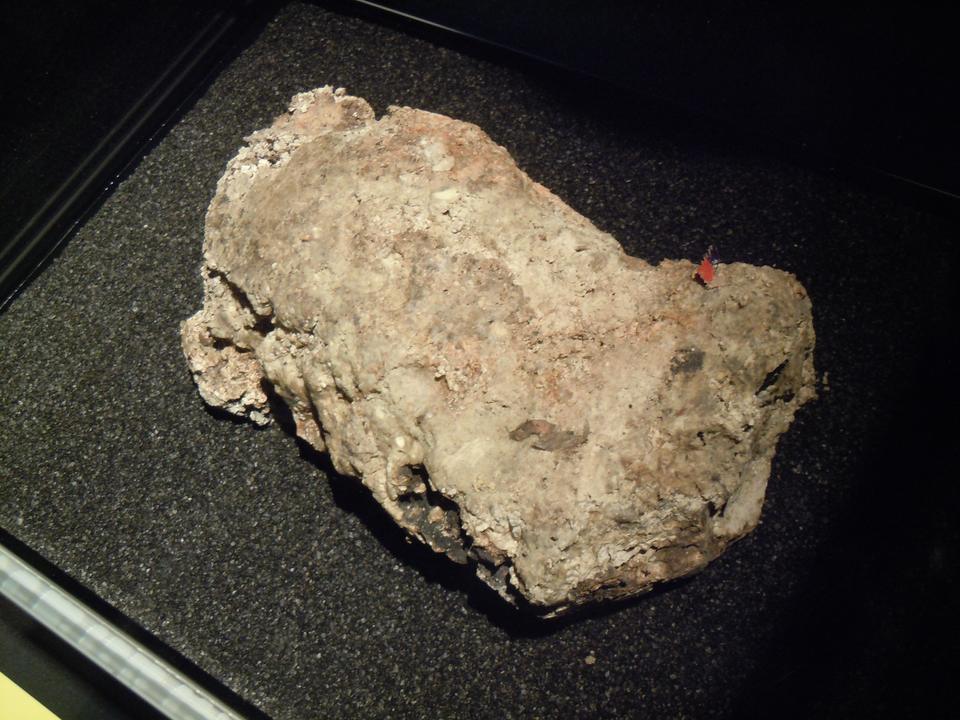
The cheapest fix is the one you do at the stove. Let pan grease cool, scrape it into a can or a jar, and put it in the trash. Wipe greasy pans with a paper towel before they go in the sink. Fryer oil goes back in its jug and out with the trash, never down a drain or into the yard.
Is It the Sink or the Main Line
Start by asking how many drains are slow. The answer tells you how far down the pipe the clog sits, and that tells you who to call.
Where the Clog Is, by What You See
- One sink slowOnly one sink or one side drains slowly. The clog is in that trap or the short pipe right behind it.
- Both sides fullBoth sides of the kitchen sink fill. The clog sits past the point where they join, in the kitchen branch line.
- Two rooms slowA sink and a tub on the same side of the house are slow. A branch line serving both is partly blocked.
- Lowest drain risesA tub, shower or floor drain fills when the washer or a toilet runs. That is the main line, so stop using water.
- Neighbors tooHomes on both sides back up at the same time. In the City of Las Vegas that points to the city main.
Why are both sides of my kitchen sink clogged? A double sink shares one trap arm and one branch line behind the cabinet. When both sides fill, the clog is past the point where they join, often where the kitchen line meets the rest of the house. If nothing else in the house is slow, it is still a kitchen problem.
What are the signs that my main sewer line is clogged? The lowest drains show it first. A tub, shower or floor drain fills with gray or brown water when someone runs the washer, the dishwasher or a toilet. Toilets gurgle or bubble on their own. You smell sewage at a floor drain that never smelled before.
Can you clear a main sewer line clog yourself? Most homes have a capped cleanout where the sewer leaves the house, so a rented machine can reach the line. Be careful with it. If the line is full, opening the cap can let sewage out under pressure, and a cable can catch on a broken pipe. When water is already coming up inside, stop using water and call a licensed plumber.
Who Owns Which Pipe in Las Vegas
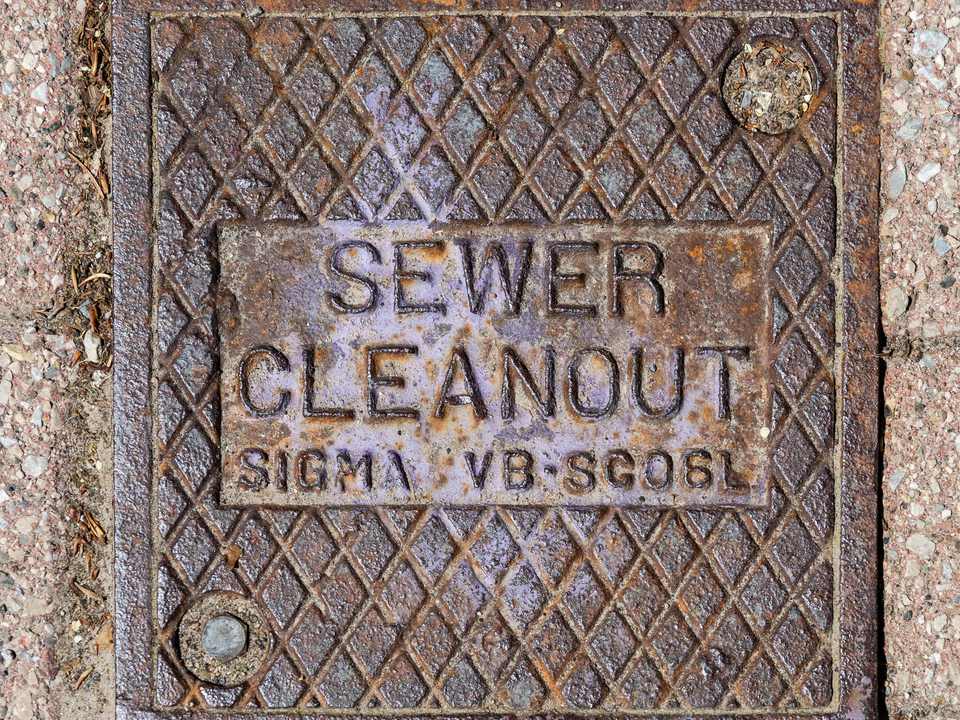
The City of Las Vegas maintains the public sewer mains under the street. Private owners maintain the sewer lateral from their property to the point where it connects into the city main. A clog or a break anywhere on that lateral is the owner's to fix, and the city points owners to a licensed contractor for it.
The city also says a stoppage in its main will affect several upstream properties. So walk next door before you pay for a call. If the neighbors are backing up too, report it to the city Streets and Sanitation Division at (702) 229-6227.
Lateral repairs are not small. The city's Sewer Line Warranty page puts repairs to the private line between the main and the home at $1,300 to more than $4,000. That page also describes an optional warranty plan the city offers with a private company. It is one choice, not a requirement, so read the terms before you sign up.
Henderson, North Las Vegas and unincorporated Clark County run their own sewer systems. If you live outside city limits, check with your own sewer provider before you assume the same split. Our service area pages list which city or county each part of the valley falls in.
What Has to Go After a Sewage Backup
Sewage is not the same as water from a supply line. It carries bacteria and whatever else went down the drain, so the rules for what can be saved get much stricter. The CDC cleanup guide is plain about it.
After Sewage, Keep or Throw Out
- Throw outCarpet, carpet pad, rugs, upholstered furniture, mattresses, pillows, stuffed animals, baby toys, books and paper.
- Cut outDrywall and insulation that sewage or floodwater touched. The CDC says to remove and discard them.
- Clean and keepHard surfaces such as tile, vinyl, sealed concrete and solid wood, once washed and dried.
- Dry fastWhatever stays should be dry within 24 to 48 hours if possible.
- Gear onRubber boots, rubber gloves and goggles for anyone near the sewage.
- Keep outChildren and pets stay away until cleanup is done.
Is it safe to stay in house after sewage backup? It depends on where the water went. A small spill on tile in a bathroom you can close off is a different job from a line that soaked the hall carpet. The CDC says to keep children and pets away from the area until cleanup is done. Anyone in the house with a weak immune system is better off staying somewhere else until the floor is clean and dry.
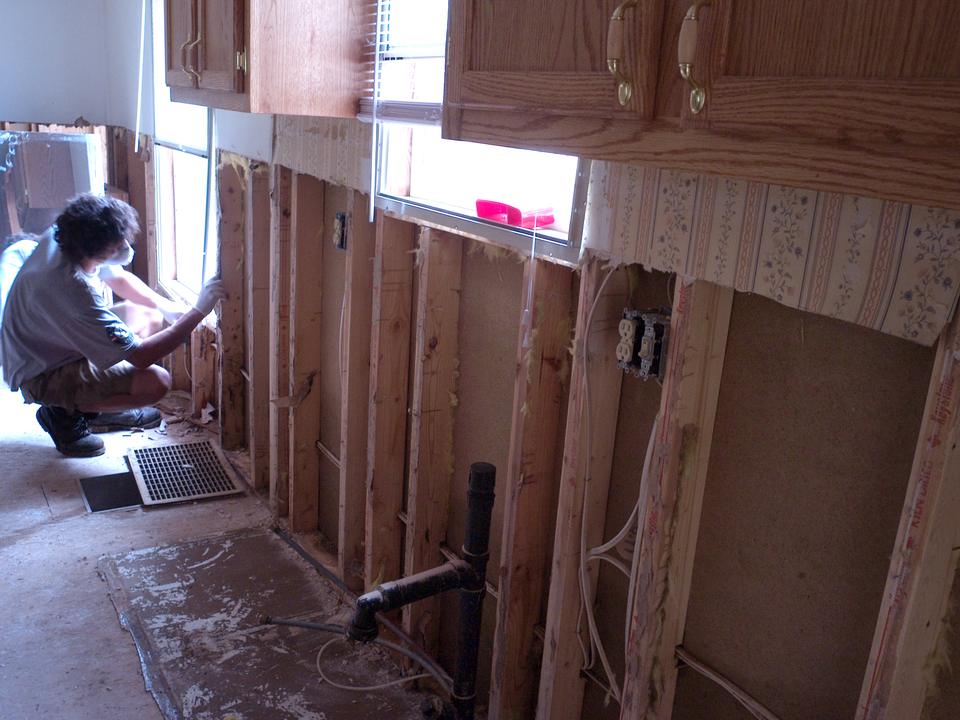
Drywall and insulation that sewage touched come out. That is the CDC rule, and it is the reason a sewage job looks so different from a clean water job. We cut the wall above the wet line, bag what comes out, clean and treat the framing, and dry it with readings in a log before anything goes back. Our sewage cleanup page walks through the full job.
Time still matters. The CDC says to dry what stays within 24 to 48 hours. Tile, vinyl, sealed concrete and solid wood cabinets can often be cleaned and kept. Carpet pad, upholstered furniture and anything paper cannot.
How to Prevent Sewage Backup in a House
A backup rarely comes out of nowhere. It usually follows a slow drain that somebody lived with for weeks. A few habits keep the line open.
Keep grease, coffee grounds, eggshells and rice out of the sink. Use a strainer basket in each kitchen drain. Flush only toilet paper, since wipes sold as flushable do not break down the way paper does. Run the disposal with plenty of cold water and only for small scraps.
Find your cleanout before you need it, and keep the cap clear of rock and plants. Have a plumber run a camera down the lateral if the house is older, if a tree grows near the line, or if the same drain backs up twice in a year.
Check your insurance before the next holiday, not after. Many homeowner policies treat sewer and drain backup as separate coverage you add on. Our insurance claim help page covers what to photograph and send if it ever happens.
The EPA estimates at least 23,000 to 75,000 sanitary sewer overflows a year across the country, and that count leaves out backups into buildings. Blockages are the first cause on its list.
Loose Ends
Will the city clear my sewer line?
In the City of Las Vegas, the city maintains the main. The lateral from your home to the main is yours. If several homes back up together, call Streets and Sanitation at (702) 229-6227. If it is only your home, call a licensed plumber.
Can I use a chemical drain cleaner on grease?
It can open a small sink clog. It will not clear a main line, and it leaves harsh chemicals in the water for whoever opens the pipe next. Tell the plumber if you already poured some in.
Can I clean up a sewage backup myself?
A small spill on a hard floor, yes, with rubber boots, rubber gloves and goggles as the CDC advises. Once it reaches carpet, drywall or a second room, the throw out list gets long and the drying has to be checked with a meter.
How long does sewage cleanup take?
Removal and cleaning come first. Drying runs until the readings say the framing and subfloor are back to normal, which depends on how far the water went. Our drying time guide explains the readings.
Who do I call first?
Stop running water, then call a plumber to clear the line. Once it drains, call or text Dry Vegas at (702) 846-0157 with photos of where the water reached.
Choose Dry Vegas in Google's preferred sources
Reference Links
- City of Las Vegas, sewer back up issues, March 10, 2021
- City of Las Vegas, Sewer Line Warranty
- CDC, guidelines for cleaning safely after a disaster
- EPA, sanitary sewer overflows
- Data for Trades, drain cleaning search data, updated November 22, 2026
Next Guide
- Sewage and toilet overflow cleanup
- Burst and leaking pipes
- Structural drying and dehumidification
- Insurance claim help
- Does Homeowners Insurance Cover Water Damage in Nevada?
- How Long Does Water Damage Take to Dry in Las Vegas?
- What to Do When a Pipe Bursts, Minute by Minute
- High Water Bill, No Visible Leak, 4 Checks in Las Vegas
- 5 Readings Before You Sand a Water Damaged Hardwood Floor
- Never Caulk a Window That Leaks in Rain Before You Test It
- 6 Leak Spots to Check Before Friday's Las Vegas Rain
- Monsoon Roof Leaks, and How to Tell Storm Water From a Slab Leak
- 5 Pipes That Freeze First in a Las Vegas Cold Snap
- Dry Vegas Is Under New Ownership and Back Serving the Valley
- What to Do After a Flash Flood Gets Into Your Las Vegas Home
- 5 Signs a Toilet Leak at the Base Reached Your Subfloor
- Las Vegas Storm History, the Floods That Hit the Valley
Service area
Serving the Las Vegas Valley
The whole Las Vegas Valley, from our office at 1517 Rainbow Meadows Dr, Las Vegas, NV 89128
Water where it should not be?
Sewage came up inside? Stop running water, get the line cleared, then call or text with photos of where it reached.